Table of Content
These hand sanitizers reduce the growth of germs but will not kill them. Due to the COVID-19 pandemic, grocery stores and pharmacies may quickly run out of CDC-recommended hand sanitizers. This article was medically reviewed by Erik Kramer, DO, MPH. Dr. Erik Kramer is a Board-Certified Primary Care Physician at the University of Colorado. With over 15 years of experience, his clinical interests include obesity and weight management, diabetes care, and preventive care, as well as embracing a holistic approach to primary care. He received his Doctorate in Osteopathic Medicine (D.O.) from the Touro University Nevada College of Osteopathic Medicine and completed his residency at Central Maine Medical Center.

For health care settings, like hospitals and clinics, optimum alcohol concentration to kill bacteria is 70% to 95%. Products with alcohol concentrations as low as 40% are available in American stores, according to researchers at East Tennessee State University. It is also a homemade hand sanitizer without alcohol. To understand the benefits of homemade hand sanitizer, let us first look at the limitations of the store-bought ones. Take note that if your hands are extremely dirty or greasy, it is not advisable to use hand sanitizers. You must get hold of a soap and sink to clean your hands.
Recommended from Medium
We don’t boss you around; we’re simply here to bring authenticity and understanding to all that enriches our lives as men on a daily basis. Pour the blend into a container from which you can pour or pump small amounts. Mix all the contents together and fill into the bottle using a funnel. Many sanitizers containing Ethanol also contain a bit of Methanol as a minor constituent. This happens because Methanol is used as a denaturing agent in bottles of industrial Ethanol to make it unfit for direct oral consumption.

Make sure that the surface that you use for the preparation of the homemade hand sanitizer is completely clean. Also, care must be taken to not accidentally touch your mouth, eyes, or bare skin during the preparation process. According to the CDCTrusted Source, an alcohol-based hand sanitizer that meets the alcohol volume requirement can quickly reduce the number of microbes on your hands.
Steps in Making Hand Gel Sanitizer
These best hand sanitizer recipes will show you how easy it is to make hand sanitizer gel and spray. It's a quick DIY project that uses just a few ingredients to make a great smelling and feeling hand sanitizer. You'll also be able to make it for a fraction of the price of ones you'd buy at the store and add to your collection of natural cleaners. Do not use homemade hand sanitizers except in extreme situations in which hand washing is not available for the foreseeable future. These hand sanitizer recipes can be created with potent essential oils and a few other ingredients right at home.
You should also adhere to your local social distancing regulations for the wellbeing of your community. In these unprecedented days of the ongoing public health crisis, many commodities we once took for granted are suddenly in short supply, including diapers, bleach, and toilet paper. If your hands look dirty or slimy, opt for hand washing instead of a hand sanitizer.
Homemade hand sanitizer gel recipe
Dr. Erik Kramer is a Board-Certified Primary Care Physician at the University of Colorado. If you make too much for the bottle, save the leftover solution in a jar with a tightly-fitted lid. A small squirt bottle works well if you want to carry the solution with you throughout the day. Or thin it out by adding another spoonful of alcohol.

Make sure to scrub the back of your hands, between your fingers, and under your nails. Jagdish Khubchandani, PhD, professor of public health at New Mexico State University, shared this hand sanitizing formula. Add 1 cup of sterile water, and mix everything together. Of course, you can buy prepackaged hand sanitizer, but you can also make your own at home.
Pour the homemade hand sanitizer into an empty container and seal. Write “hand sanitizer” on a piece of masking tape and affix to the bottle. It's more difficult to measure alcohol content in homemade sanitizers, which is why commercial sanitizers are recommended. But in a pinch, you may be able to make an effective hand sanitizer at home. You can make your own hand sanitizer at home with isopropyl alcohol and either aloe vera gel or glycerin.

They may also only limit microbes from growing, rather than killing them. However, alcohol may strip the skin of the outer layer of oil, which may have negative effects on barrier function of the skin. A study also shows that disinfecting hands with an antimicrobial detergent results in a greater barrier disruption of skin compared to alcohol solutions, suggesting an increased loss of skin lipids. Alcohol has been used as an antiseptic at least as early as 1363 with evidence to support its use becoming available in the late 1800s.
Using the same measuring cup, pour 1 cup of either aloe vera gel or glycerine into the bowl. Make sure to choose the hand sanitizers with a good amount of alcohol, at least 60%. Unless you have a stockpile of store-bought hand sanitizer, you’ll likely have a hard time finding any at a store or online right now. Make sure to choose the hand sanitizers with a good amount of alcohol. Due to the rapid spread of the novel coronavirus, most retailers can’t keep up with the demand for hand sanitizer.

Enjoy the relaxing smell of lavender when you use this hand sanitizing spray that will keep your skin soft. Here, learn how each type works, how to get a vaccine, and how to prevent infection in the meantime. Antimicrobial activity of home disinfectants and natural products against potential human pathogens . Never use handmade sanitizers on children’s skin, as they may be more prone to improper usage and greater injury.
Isopropyl alcohol will kill 99.99% or more of all non-spore forming bacteria in less than 30 seconds, both in the laboratory and on human skin. This article has got you covered for a wide range of ‘how to make sanitizers at home.' Just remember! Always use a dark-colored glass bottle for storage. Some recipes may ask you to use rubbing alcohol or isopropyl. However, they are extremely harmful when ingested.
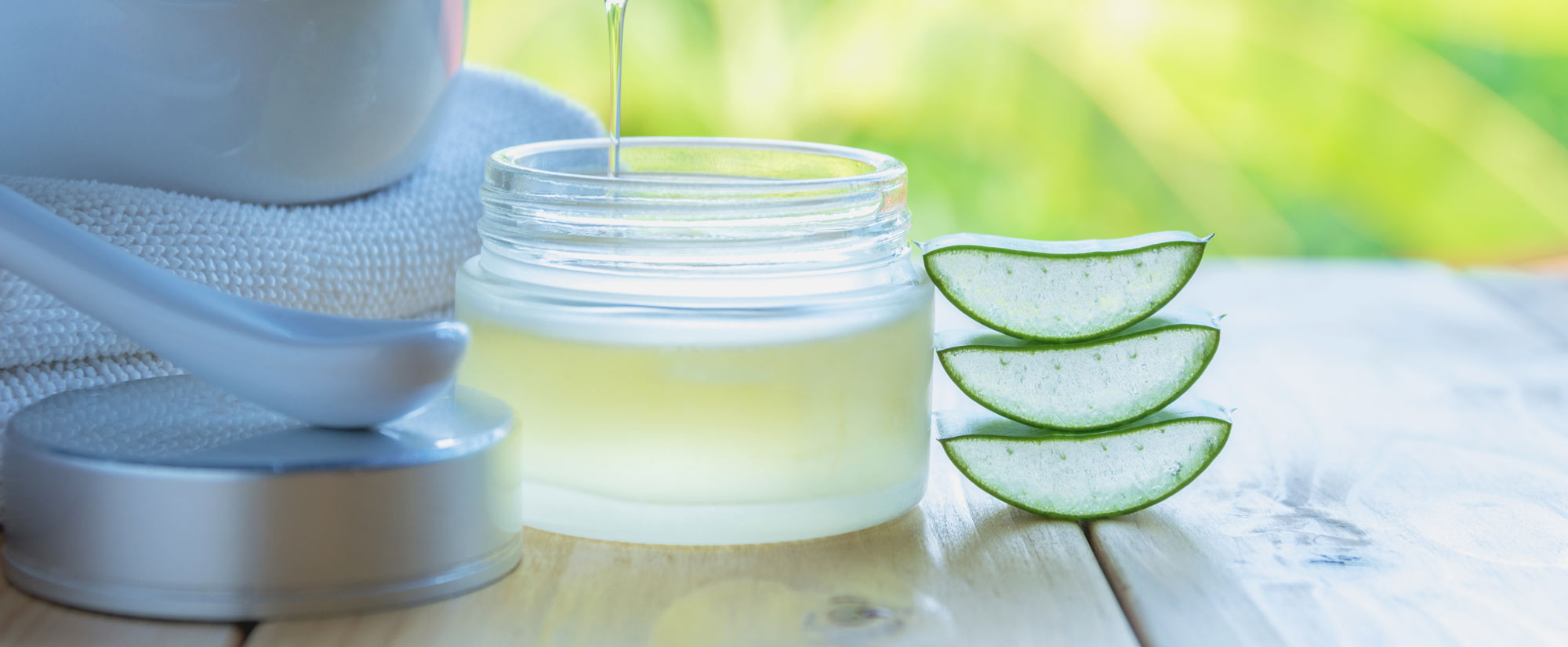
Nonalcohol-based hand sanitizers may contain other ingredients, such as benzalkonium chloride and essential oils, such as tea tree oil. It is so easy to make your own hand sanitizer with essential oils. By merely adding the essential oils of your choice to a simple base of rubbing alcohol and aloe vera gel, you can get the added benefits of essential oils to support the many systems in your body. If you want to learn all about essential oils and how they can support your body's wellness, check out my post HERE All About Essential Oils. You can make your own natural hand sanitizer by using simple ingredients you may already have at home like rubbing alcohol, aloe vera gel, and essential oils. By making your own natural hand sanitizer you are able to control the ingredients you allow into your home and on the hands of your loved ones.
Flawless: Skin Deep
Two things to be aware of when using hand sanitizer is that you need to rub it into your skin until your hands are dry. And, if your hands are greasy or dirty, you should wash them first with soap and water. If you want to avoid using rubbing alcohol, switch it out for witch hazel instead.




No comments:
Post a Comment