Table of Content
Show me the science — when & how to use hand sanitizer in community settings. During the COVID-19 pandemic, throughout the flu season, and all-year-round, people must practice proper hand hygiene to prevent getting sick. Some bacteria that cause infections in humans have developed resistance to the antimicrobial effects of silver.
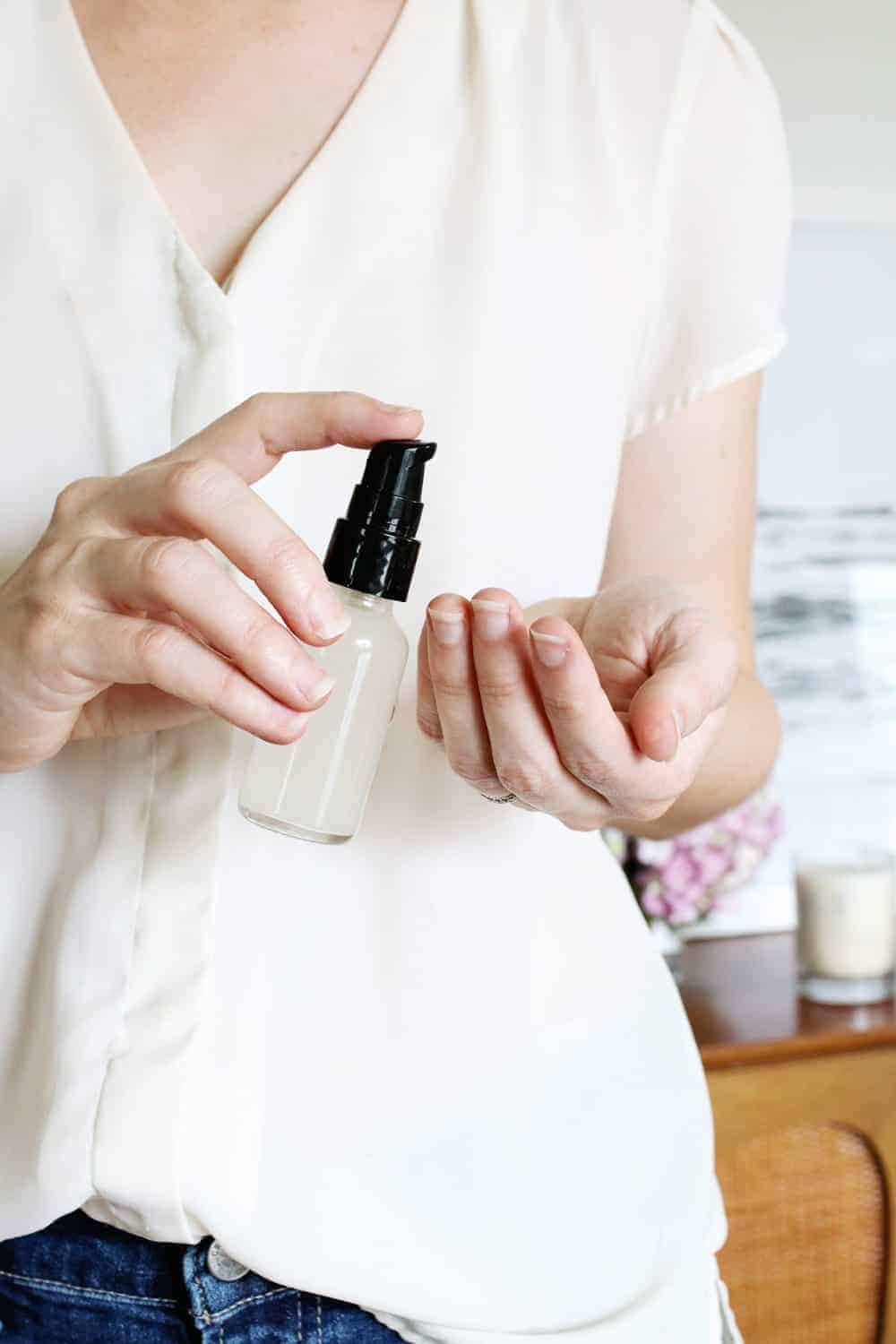
But commercially-made hand sanitizer is always better because it undergoes quality control to ensure effective alcohol content. But when soap and water isn't available, the Centers for Disease Control and Prevention recommends using a hand sanitizer with at least 60% alcohol. You can add 10 to 12 drops of any essential oil for fragrance if required. Certain essential oils also have inherent anti-microbial properties.
Can a person add alcohol to non-alcohol hand sanitizer?
Two things to be aware of when using hand sanitizer is that you need to rub it into your skin until your hands are dry. And, if your hands are greasy or dirty, you should wash them first with soap and water. If you want to avoid using rubbing alcohol, switch it out for witch hazel instead.

The chemicals required to make them may cause skin irritation, injury, or burns. It's less expensive than store-bought, and it appears very easy to make. Discover how to make non-chemical, and of course, fragrant, DIY hand sanitizer. Getting hand sanitizer in your eye can cause sharp pain, swelling, and damage to the outer layer of your eye called the cornea. Our experts continually monitor the health and wellness space, and we update our articles when new information becomes available.
How to select and use hand sanitizer
Understanding how to make it at home is a lifesaver when all the supermarkets are sold out, or forced into overcharging circumstances. You can make yours at home with only essential ingredients. Wet your hands first, then turn the water off, and lather your hands with soap. You need to rub it into your skin until your hands are dry. Homemade hand sanitizer is also not recommended for children.

Alcohol-based hand sanitizer works against a wide variety of microorganisms but not spores. Compounds such as glycerol may be added to prevent drying of the skin. Some versions contain fragrances; however, these are discouraged due to the risk of allergic reactions.
Contents
Dr. Kramer is a Diplomate of the American Board of Obesity Medicine. If your hands are greasy or dirty, you should wash them first with soap and water. Clean the container you’ll use to mix the sanitizer and any bottles you’ll store it in. If the containers are heat-resistant, you can sterilize them in boiling water or in the dishwasher on high heat.
In most settings, hand washing with soap and water is generally preferred. Hand sanitizer is less effective at killing certain kinds of illnesses, such as norovirus and Clostridium difficile, and unlike hand washing, it cannot physically remove harmful chemicals. People may incorrectly wipe off hand sanitizer before it has dried, and some are less effective because their alcohol concentrations are too low. The Centers for Disease Control and Prevention says hand-washing with soap and water is the most effective way to clean your hands. You can read about our hand-washing tips and tricks here.
I’m not trying to buy out my local Target’s assortment of hand sanitizers. I personally just like to always have some on hand. And, in light of the coronavirus COVID-19 outbreak, I think it’s important to be prepared.
It’s almost pointless to sanitize your hands if you’re going to touch your filthy phone a second later. Smartphones are much dirtier than most people realize. Our phones follow us everywhere, and most of us never think to clean them unless they’re visibly dirty. That means every one of us is carrying around a potential disease carrier in our handbags and pockets. Use alcohol wipes or tissue dipped in isopropyl alcohol to keep your phone as clean as your sanitized hands. This recipe has all the right ingredients as well as Young Thieves essential oil mixed along with a few other oils to make it smell clean and fresh.
Enjoy the relaxing smell of lavender when you use this hand sanitizing spray that will keep your skin soft. Here, learn how each type works, how to get a vaccine, and how to prevent infection in the meantime. Antimicrobial activity of home disinfectants and natural products against potential human pathogens . Never use handmade sanitizers on children’s skin, as they may be more prone to improper usage and greater injury.

To make a homemade hand sanitizer without alcohol, you may replace it with witch hazel. To make a homemade hand sanitizer without Aloe Vera, you may replace Aloe Vera with one teaspoon of carrier oil like coconut or sweet almond, ½ teaspoon of glycerin, and 2-3 drops of Vitamin E oil. If you ran out of hand sanitizers and it’s not immediately available, you can make your own. It’s fairly easy as you only need alcohol, aloe vera and lemon.
For the DIY hand sanitizer container, the cap/cover of the bottle should preferably have a spray, for ease of use. If you have got the points in mind, your natural, healthy living would go a notch higher. "Home recipes can be easily contaminated with an incorrect ingredient, measurement, or insufficient alcohol to kill germs," Dietrich says. "If you choose to make hand sanitizer at home, it is vitally important you are working in a clean space, with clean tools, and you wash your hands thoroughly before beginning the process." To be effective at killing germs, hand sanitizer must be at least 60% alcohol. In commercially-made products, alcohol concentration is measured with an alcohol meter, says Jenelle Kim, an herbalist and founder of JBK Wellness Labs.

"Careful attention should be paid to the ratio of key ingredients or else you run the risk of creating a formula that isn't effective or is too harsh on your skin," Kim says. Our stories are reviewed by medical professionals to ensure you get the most accurate and useful information about your health and wellness. For more information, visit our medical review board. Here’s how to make hand sanitizer at home, plus tips for using it properly. Mix a two-to-one ratio of alcohol to aloe vera in a sterile vessel. 1 measuring cup, 1 mixing spoon and 1 funnel, none of which are used for cooking.
How effective is ethanol-based hand sanitizer?
Most vodkas are not suitable for making hand sanitzer. You'd need a vodka that's at least 190 proof, which will be printed on the product label. For instance, Everclear has options that are 190 proof.
It can freeze and make a mess when it thaws, and temperature extremes might make it less effective. Sanitize all supplies that will come into contact with your homemade hand sanitizer. You can do this either by running them through the dishwasher or, if your supplies are heat-safe, boiling them for about five minutes. This hand sanitizer can be used any time of the year, but the combination of a few different essential oils makes it smell wintery.


No comments:
Post a Comment